viernes, 22 de marzo de 2013

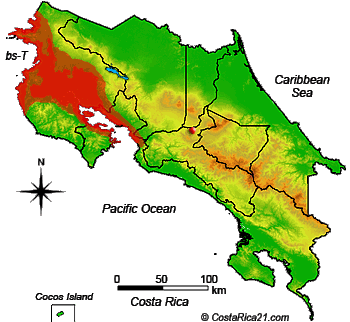
Guanacaste paraíso del bosque tropical seco de Costa Rica

¿

Sabe usted dónde se concentra la mayor cantidad de bosque tropical seco de América? Podrá encontrar la respuesta en la provincia de Guanacaste, en Costa Rica. Valga la ocasión para describir grosso modo en qué consiste este tipo de foresta. Se compone de una vegetación que sobrevive con mucho menos agua que el bosque tropical húmedo, pues tiene una temporada seca que se extiende por aproximadamente 8 meses. Sin embargo, esta característica no le resta magnificencia a la flora y fauna que la habita. Eso sí, hubo un tiempo en que esta belleza particular era empañada por la reducción de las áreas de conservación. En vez de preservar las riquezas naturales, los habitantes de la zona utilizaban el espacio como potreros para que el ganado pastase. Ello condujo a un proceso rápido de degradación. Incluso cuando quitaron las reses, el decaimiento de los terrenos continuó. Lo anterior debido a que la hierba jaragua había sido utilizada para alimentar a los animales, pero posteriormente invadió la flora local. Como consecuencia, se convirtió en material inflamable para los incendios de la temporada seca, lo que trajo consigo una mayor reducción de los bosques.
 

Posteriormente, el entomólogo estadounidense Daniel Janzen, quien hacía estudios en la zona, se percató del grado de riqueza de vida silvestre. Asimismo, se dio cuenta de la fragilidad del ecosistema y que, de no ocuparse de su cuidado, se convertiría en un recuerdo para las generaciones venideras.
Fue a partir de este acontecimiento que arrancó la trama del libro «El Fénix Verde», del autor William Allen. En él, un equipo de científicos y voluntarios costarricenses y provenientes del vecino del norte se adentraron en la arena política, ecológica y social del área. El propósito iba más allá de la simple conservación de los bosques sino también la promoción de su recrecimiento. La idea era conectar las pequeñas islas de bosque remanentes y transformarlo en un corredor que replicara la formación original. En un principio el concepto fue considerado como estrafalario pero la osadía de los propulsores acabó sobreponiéndose a la dificultad operativa del proyecto.
El escritor realizó una investigación extensa para recrear la cotidianidad de los personajes principales. De igual manera, se esmeró en el carácter de cada uno de ellos. Así, logró plasmar la manera en que los participantes hicieron a un lado su ego en pro del bien común.
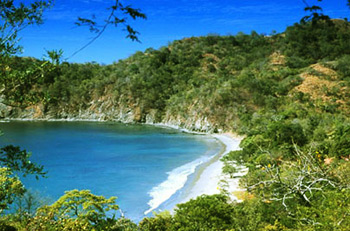


Allen incluyó además, algunos aspectos increíbles sobre la ecoestructura delicada de la zona. Describió con gran detalle cómo las plantas, animales e insectos se vinculan intrínsecamente los unos con los otros. Un elemento descollante es que este proceso se replica en condiciones idénticas tanto en el bosque tropical húmedo como en el seco.El libro es un modelo, un caso de éxito que sirve para analizar la interrogante: ¿se puede prevenir la destrucción de los bosques tropicales del mundo? En las colinas costarricenses heridas por el fuego del verano, el científico y escritor encontró una respuesta maravillosa: no solo es posible es detener la destrucción sino devolverle su riqueza original.

Esta es una historia inspiradora relatada con energía viva. En ella se reflejan imágenes sin igual de playas vírgenes, bosques exuberantes; además del heroísmo y la capacidad de los equipos científicos. Describe el carácter heterodoxo del ecologista Daniel Janzen. En resumen, una obra que todos querrán leer.

Posterior a la lectura, usted deseará vivir en carne propia una experiencia similar. Si lo suyo no es acampar a la intemperie, en el hotel y villas Pranamar le ofrecemos opciones de alojamiento de primer orden. Este es un lugar íntimo ubicado en Santa Teresa, una impresionante playa de arena blanca en el océano Pacífico. Situado en la península de Nicoya, le ofrecen áreas hermosas de natación y todas las comodidades que desee.
¡Atrévase a dominar esa ave fénix indómita que vive en la región!
Por: Andrés Figueroa

martes, 19 de marzo de 2013

Uncover the Rich Indigenous History of Costa Rica

Visitors to Costa Rica’s northwest Guanacaste region probably don’t realize the area was once a thriving community for the indigenous Chorotega tribe. Indigenous history and traditions maintain a low profile in the Central American country, yet if you look closely they are all around you.

Spreading across Costa Rica’s entire northern Pacific zone, Guanacaste, for instance, is called the “Chorotega region” after its original inhabitants. The Nicoya Peninsula is named for a Chorotega chief who ruled the area when the Spanish conquistadors arrived in Costa Rica in 1523.

At the time of the Spanish conquest, the Chorotega were the largest and most technologically advanced tribe in Costa Rica, according to Encyclopedia Britannica and other historical reports. The tribe, whose name means “people surrounded by enemies”, were driven by warfare from Central Mexico many generations before the Spanish arrived and settled in southern Nicaragua, Guanacaste and the Nicoya Peninsula.
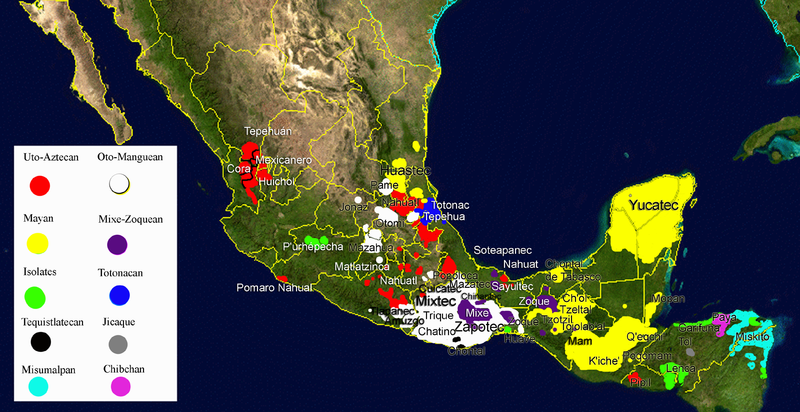
Mesoamerican languages in Central America

They spoke Mangue, an Oto-Manguean language from Central Mexico that was shared by indigenous groups in Honduras, Nicaragua and Costa Rica. Many of the place names in northwest Costa Rica are Chorotegan, including Guanacaste – name of the northern Pacific province and Costa Rica’s national tree. The word “Guanacaste” means “ear tree” for the trees’ seeds which resemble a human ear.
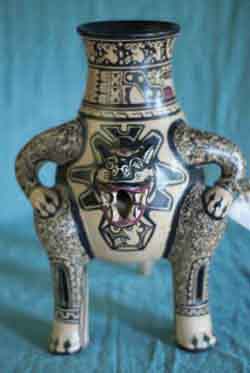
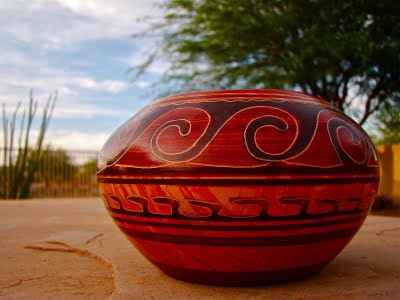
Traditional Chorotega pottery in Costa Rica reveals Aztec historical influences
Stretching all the way from the Nicaraguan border in the north through the Nicoya Peninsula, the Chorotega people lived in towns – some as large as 20,000 inhabitants – that were built around a central plaza, according to historical reports. Their houses were rectangular, built of wood with straw roofs. The Chorotega maintained strong religious rituals and were competent astronomers and mathematicians.

Corn was vitally important in the Chorotega culture, and affected the indigenous people’s agriculture, customs, artistic forms and religious beliefs, reports the Encyclopedia Britannica. Corn was the basis of their diet, along with beans, squash, cacao, meat and fish. The Chorotega had an active economic life with commerce and markets, and a semi-democratic social structure in which chiefs were elected. Cacao beans served as currency.

The Chorotega frequently fought with neighboring peoples, states the Encyclopedia Britannica. Tribal warriors wore padded cotton armor and fought with bows and arrows and wooden swords tipped with small flint knives. Although they were eventually conquered by the Spanish, the Chorotega were reported to be courageous warriors who fought hard against the invaders.
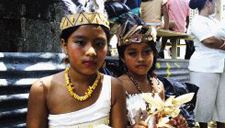
Children of the Chorotega indigenous tribe in Costa Rica

The history of indigenous peoples in Costa Rica is much like the rest of the Americas. The Europeans brought diseases to which the native population had no immunity; entire tribes were killed. Archaeologists calculate that up to 400,000 native people lived in Costa Rica when Columbus arrived in 1502, between the main tribes of the Chorotega, Guaymi (Ngabe), Terraba, Boruca, Maleku, Huetares, Bribri and Cabecar. Ultimately, it was the 16th century slave trade that decimated the Chorotegas. The Spanish rulers dominated the tribe by sending thousands to work in the gold mines of Panama and Peru.
Chorotega pottery from the Nicoya Peninsula is famous in Costa Rica

Today, there are only about 64,000 indigenous people living in Costa Rica, according to official reports. The Chorotega language, culture and community have been largely lost, except for the indigenous reserve of Matambú, located near the town of Nicoya. Some customs and traditions have survived, such as the production of ceramic pottery and figurines. Chorotegan pottery is famous in Costa Rica, and is still being made in the towns of Guaitil and San Vicente.
Pranamar Oceanfront Villas and Yoga Retreat in Santa Teresa, Costa Rica 

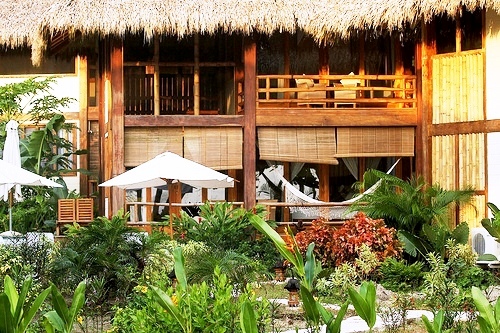
Visit Costa Rica’s Nicoya Peninsula and the fascinating land of the Chorotega people when you stay at Pranamar Oceanfront Villas and Yoga Retreat in Santa Teresa. The beautiful, luxury boutique hotel is located right on the Pacific Ocean at Santa Teresa Beach. Two-story poolside villas and elaborate beachfront bungalows are set in extravagant tropical gardens near a lovely free-form saltwater pool. Winner of Trip Advisor’s Traveler’s Choice and Certificate of Excellence awards, Pranamar Villas offers you daily in-house yoga classes, regular yoga retreats and workshops, all-inclusive yoga vacations, front-yard surfing, and surfing and yoga holidays.
By Shannon Farley

martes, 12 de marzo de 2013

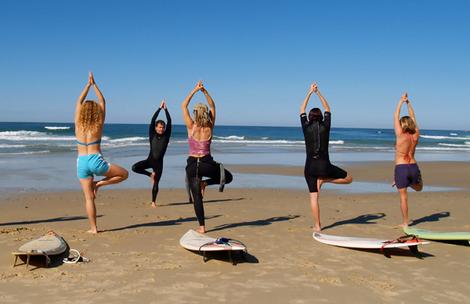
Yoga Stretches for Surfers ... Practice in Costa Rica!

Most surfers are probably already aware that the practice of Yoga results in great benefits for the physical body and beyond.


Yoga increases mental clarity and our ability to concentrate with intention on specific goals and desires. The breathing techniques used in this ancient science are amazing for increasing lung capacity, while helping to lengthen our ability to retain the breath (so necessary for surfers).
On a physical level, the postures (asanas) create flexibility, tone, strengthen, and hone in on our balancing skills. They also fill the body with vital Life energy (prana) and highly raise our body and self-awareness.

The following dynamic and static postures will help you achieve the strength and flexibility needed out in the surf, and will increase your balancing abilities for greater stability on your board.
Remember to always warm-up before heading out to the water, stretch for 5-10 minutes after surfing, and ENJOY!!

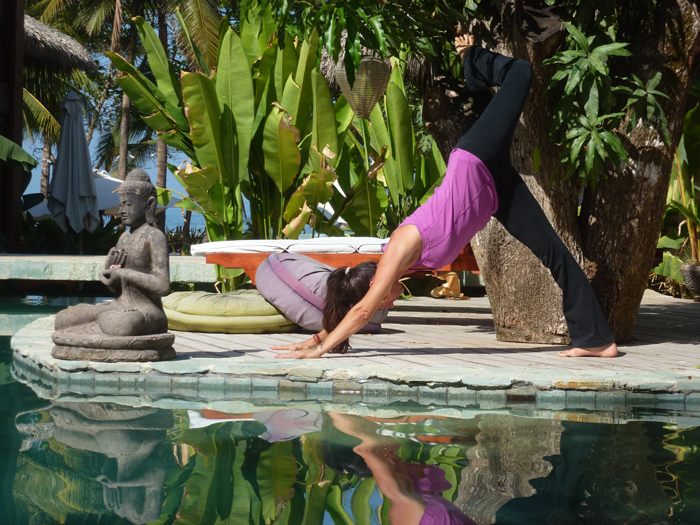
1)    3 legged downward dog w/ bent knee

Begin in downward-facing dog pose with your hands outer shoulder distance apart and feet parallel to each other, at least hip width apart. As you lift your hips up and back you’ll begin to feel a deep stretch along the backs of the legs. Remember to engage and tone your quadriceps (fronts of the thighs) while moving the tops of the thighs toward the backs of the legs. Breathe deeply in and out through the nose and throat, balancing the flow of breath and helping to calm the mind. Keep the arms strong and stable by pushing all four corners of the palms and all the fingertips into the ground and begin to lift your right leg up and into the air behind you. Lengthen through both legs as you take the right hip higher, “stacking” the hips and gently twisting from the waistline. Carefully bend the right knee while flexing the foot and spreading out the toes. The more you take your foot to the left, the more you will need to tuck your pelvis to lengthen the lower spine and increase flexibility in the psoas muscles. Work up to holding the position for 5-15 breaths. Bring the right leg back to downward dog posture and repeat on the other leg.

2)    Standing Pigeon w/ Eagle arms
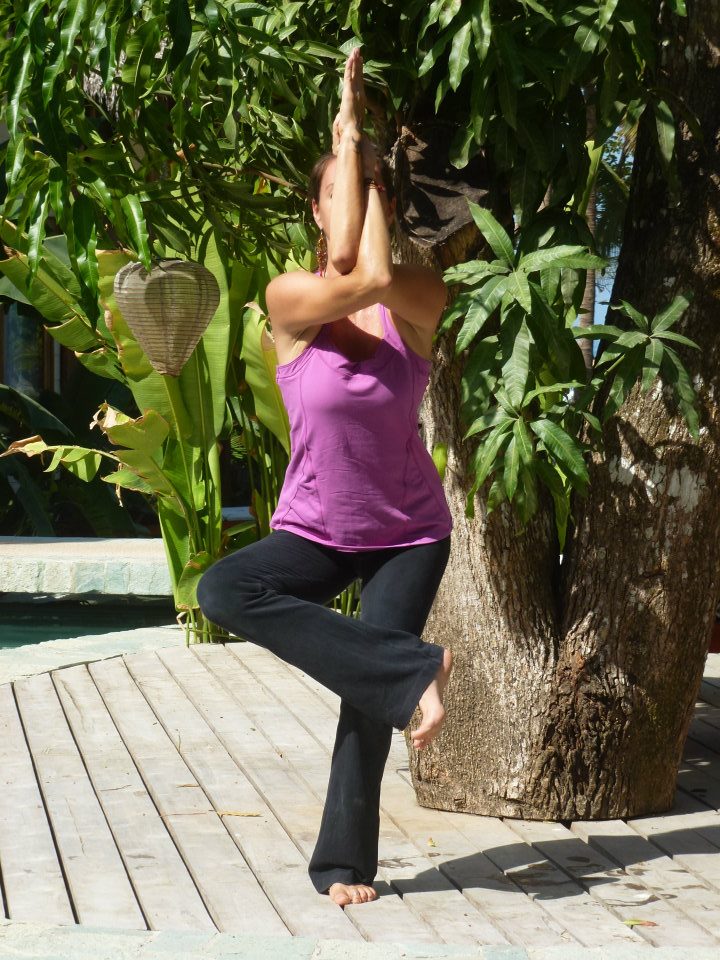
Standing pigeon pose with eagle arms, Pranamar Villas & Yoga Retreat, Costa Rica

Begin standing upright and cross your right ankle over your left lower thigh (right above the knee), keeping the foot active and flexed to protect the knee joint. With your hands on your hips, slowly bend your standing leg and widen your inner thighs back and apart (imagine you are hovering over a chair!).

Bring your arms parallel to the earth, reaching long from the heart center to your fingertips. Then cross your right arm under the left and “wrap” the arms around each other. Energetically lift your elbows and fingers upwards, while dropping your hips and thighs. Hug strongly into the mid-line with the legs and breathe deeply for 5 -10 breaths. Release and try the other side.

3)    Forearm plank w/ a "twist"

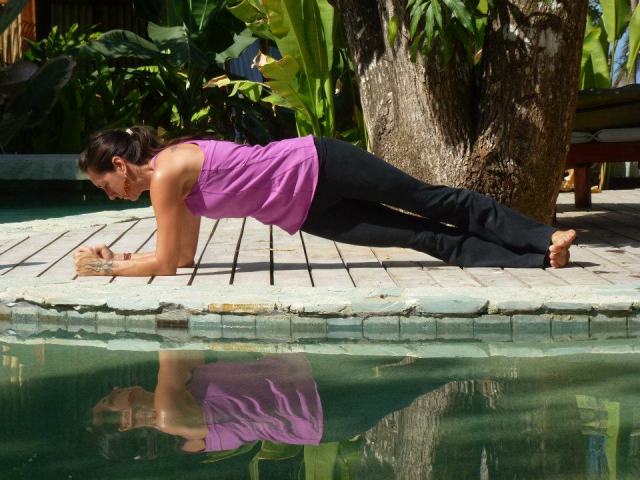
Forearm plank with a twist, Pranamar Villas & Yoga Retreat, Costa RicaBegin with your knees and forearms on the ground, making sure that your forearms are parallel to each other and shoulder distance apart. Look toward your navel and bring your awareness to your core center, the seat of inner strength and stability. Breathe into your back body from the base of the spine all the way up toward the crown of the head. As you do this you will feel your lower abdomen activate and draw inward toward the spine (away from the floor). Then actively move the tailbone towards the heels, walking your feet back to straighten your legs (knees off the floor). Your entire body should be parallel to the earth and you will feel deep sensation throughout the core of your body. Continue to breathe slow and even through the nose.

Keep an emphasis on moving the lower "floating" ribs inward towards the back body, and then slightly soften behind the heart. Hold 5-10 breaths.
Keeping your shoulders steady with your chest facing the earth exhale as you drop your heels to the right, twisting your lower body to active the lateral abdominal muscles. Inhale back to center and drop your heels to the left as you strongly exhale (remember to keep the belly lifted in towards the spine). Return to center with an inhalation and continue going right to left in alignment with your breathing. Do your best to keep your upper body stable and still. Work up to 10 repetitions or more.

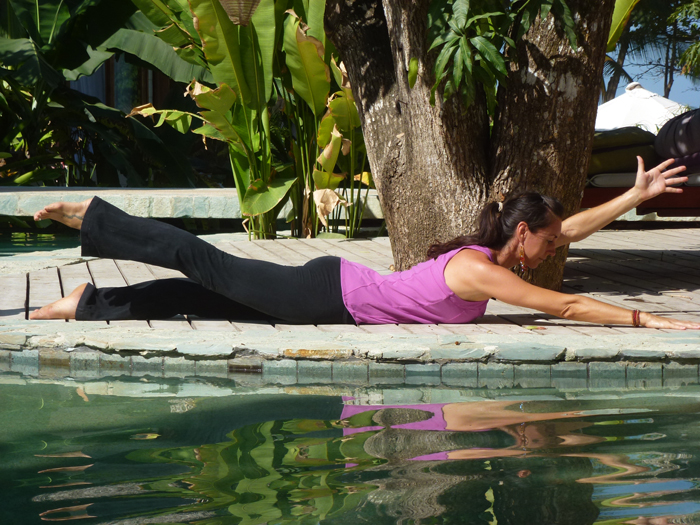
4)    Dynamic “Shalabasana” w/opposite arm and leg


Lay down on your stomach with your legs hip distance apart and arms extended out in front of you (shoulder distance apart). Keeping your gaze facing the floor, turn the palms of the hands to face each other, and as you inhale lift your right arm, chest, and left leg up off the earth. The emphasis of this movement is not to get your limbs as high as possible, but rather keep lengthening the whole spine and reach your leg long out of the hip and the crown of the head away from the tailbone. Focus your inhalation in the back of the body, thus breathing "space" into the spine.  Lower your self back to the floor on the exhalation, but keep awareness into the lower abdomen and gently lift the navel inward with the release.

On your next inhalation, lift your left arm, chest, and right leg off the floor and maintain the action of lengthening from the core of your pelvis down the legs and up the spine toward the fingertips. With the exhalation, return to lie on the ground and repeat each side, alternating right and left 5-10 times each.
On the last repetition of each side, try and hold the arm and leg up off the floor for 5 slow, even breathes. Emphasize the length of the spine and the gentle lifting of the belly in and up. Finish by sitting back on the heels with the chest resting on the thighs (child’s pose), arms and head relaxed on floor. Feel how working with opposite leg and arm can bring more awareness into your "center" and help you to connect with the innate intelligence of the body to stay centered and grounded.
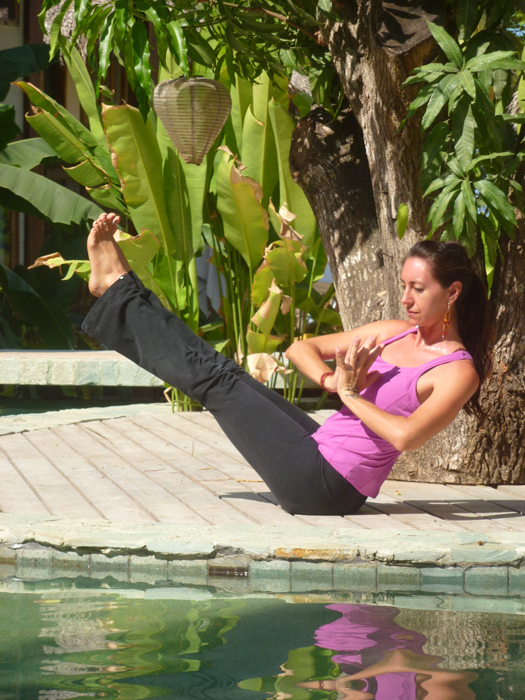
5)    Navasana prayer


Begin seated on the ground with your knees drawn into your chest, grabbing the backs of the thighs with your hands. With the knees bent, first lift up along the spine moving the crown of the head toward the sky and the tailbone firmly down to the earth. Begin to straighten your legs into the air as you release your grip on the hamstrings. As you continue to sit up tall, draw your lower back away from the floor and the sacrum into the body (you will need to fully engage your core as you balance on the buttocks creating a V-shape with your body). Extending the arms parallel to the ground, relax your shoulders and move energetically along the legs from the hips to the toes. Actively lift up along the whole length of the spine, keeping the chest broad and the abdomen fully engaged. Work toward holding this static position for 5-15 breaths.

Then bring your palms together in front of your chest (anjali mudra) and actively press the hands into one another. Slightly lift the elbows away from the floor and inhale. Moving with your exhalation, turn your whole upper body toward the right engaging the side abdominal muscles with a twist. As you inhale, return to center and press the hands into each other. On your next exhale, twist as far as you can to the left with your upper body, keeping the legs together and lifted.  Return to center as you inhale. Continue to twist right and left on the exhalations, always pausing in center as you inhale to re-lengthen the spine.
Build up slowly, and increase the number of repetitions as you feel stronger. If you have less flexibility in your hamstrings or hips, then you may want to bend the knees slightly.
Pranamar Villas and Yoga Retreat, Playa Santa Teresa, Costa Rica 

Pranamar Villas and Yoga Retreat in Santa Teresa
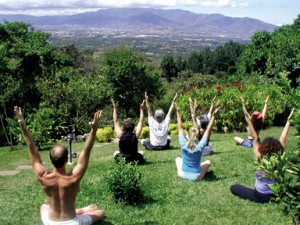
If you enjoyed this practice and want more, come to  the beautiful Pacific Coast of Costa Rica in the surfer’s and yogi’s paradise of Santa Teresa and Pranamar Villas and Yoga Retreat. It’s the perfect blend of surfing and yoga and much more!!

By Nancy Goodfellow, Yoga Instructor at Pranamar Villas & Yoga Retreat

miércoles, 13 de febrero de 2013

Find unique Costa Rica souvenirs at Pranamar Oceanfront Villas

One of the joys of traveling is picking up that little something special to bring back home. A unique gift from a unique place that will remind you months and years later of the fun trip you enjoyed.

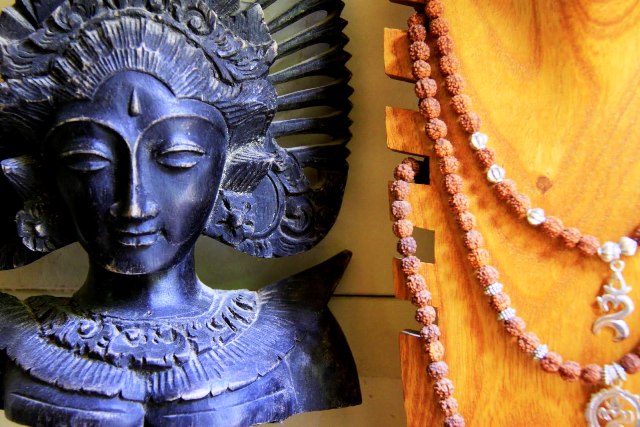
Beads from Bali are a unique item in Pranamar Villas' gift shop in Costa Rica

In the case of world traveler Susan Money, owner of Costa Rica’s Pranamar Oceanfront Villas and Yoga Retreat, all of her treasures from international globetrotting are specifically brought back home to delight other travelers, in the Santa Teresa Beach hotel’s gift shop. The small gift shop in Pranamar Villas’ Reception area features exclusive and uncommon gifts both from Costa Rica and parts further afield.

“One of the great joys of owning a hotel is the fun of shopping for the gift shop,” says Money. “Although our store is very small, it often has some unusual items from my travels around the world. When I’m off traveling, I get to tell my husband that I have to shop … for the gift shop. And what can he say?!”

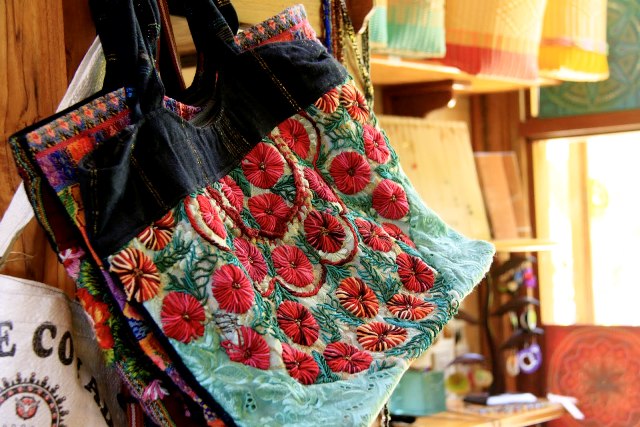
Hand-sewn bags from Guatemala are a lovely gift item in Pranamar Villas' gift shop

Whether originally from Indonesia, Guatemala, Nicaragua or right at home in Santa Teresa, Costa Rica, Pranamar Villas’ gift shop is a colorful and exotic treasure trove of jewelry, scarves, bags, yoga clothes and mats, and organic beauty and bath products.

Featured Gifts
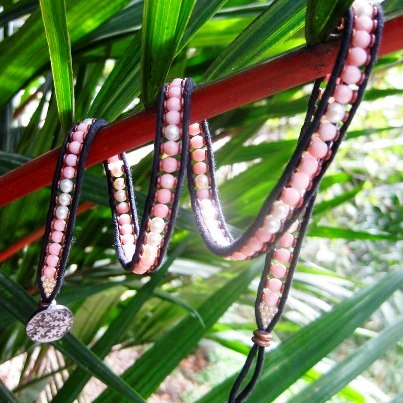
Beautiful wrap bracelets by Phyllis Warman are featured in Pranamar's gift shop

Wrap bracelets
by designer-artist Phyllis Warman are a big hit with Pranamar Villas’ guests. “Inspired by the relaxed lifestyle and shifting colors of Costa Rica's exotic Pacific Coast, the richly majestic landscapes of the Pacific Northwest, and the radiant, sun-drenched beaches of Southern California, Phyllis Warman Jewelry Designs are both casual and sophisticated,” says Warman’s publicity sheet.


Phyllis Warman wrap bracelet inspired by Costa Rica's nature

The Southern California native divides her time between living in Seattle, Washington and Santa Teresa, Costa Rica. Warman makes all of her necklaces, earrings, bracelets and anklets by hand, using natural materials she finds in her environment like mother-of-pearl and abalone shells; freshwater pearls; precious and semi-precious gemstones such as opal, jade, onyx, garnet and turquoise; metals of copper, brass and sterling silver; and 100% pure cotton cord.


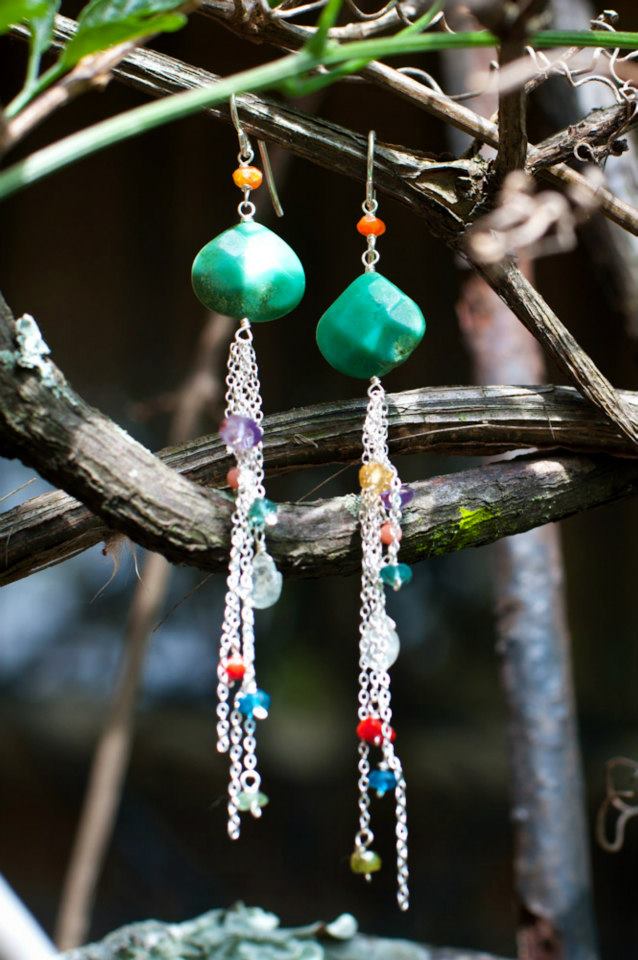
Elegant earrings by Faery Dust Workshop on sale at Pranamar Villas' gift shop

Earrings
and other elegant jewelry from Faery Dust Workshop are very popular gift purchases from Pranamar Villas’ shop, says hotel administrator Larissa Chevalier. Made by a Costa Rican designer living at Playa Santa Teresa, all jewelry is hand-made.

Santa Teresa designer Une a Une's necklaces are sold at Pranamar Villas

Local Santa Teresa Beach resident, Rachel of Une a Une designs, brings her native French flair to her fashionable jewelry creations. After making Costa Rica her home for 10 years, you can see the influence of the tropics’ bright colors in Une a Une’s necklaces, earrings, bracelets and anklets. Une a Une’s delicate necklaces are sold in Pranamar Villas’ gift shop.

Pranamar Oceanfront Villas and Yoga Retreat, Santa Teresa

The gift shop at Pranamar Oceanfront Villas and Yoga Retreat is open to guests and the public in the hotel’s Reception area.
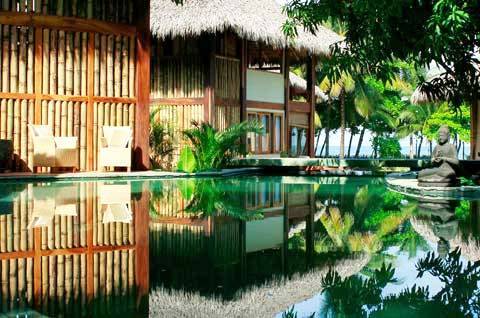
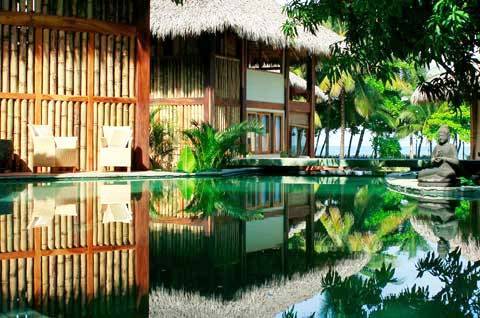
Pranamar Oceanfront Villas & Yoga Retreat luxury boutique hotel in Costa Rica

Pranamar Oceanfront Villas and Yoga Retreat
resort is located right on the Pacific Ocean at Santa Teresa Beach on Costa Rica’s Nicoya Peninsula. The gorgeous, luxury boutique hotel features two-story poolside villas and elaborate beachfront bungalows, set in extravagant tropical gardens near the most lovely free-form saltwater pool. Winner of Trip Advisor’s Traveler’s Choice and Certificate of Excellence awards, Pranamar Villas offers you daily in-house yoga classes, regular yoga retreats and workshops, all-inclusive yoga vacations, front-yard surfing, and surfing and yoga holidays.

By Shannon Farley

viernes, 8 de febrero de 2013

La receta para todos los males!

Queremos ofrecerles una receta para el paraíso tropical. Una las vistas impresionantes al océano como fondo. Mézclelas con la flora y fauna del trópico. Añada tramos de arena blanca y, finalmente, agregue puestas de sol increíbles. Sírvase en frío con una buena dosis de yoga y obtendrá la fórmula ideal para unas vacaciones naturistas por excelencia.

No es de extrañar que en nuestro país haya tantos centros de retiro para esta práctica. Se extienden a lo largo y ancho del territorio, así que no hay excusas. Si pretende que su tiempo de ocio sea el momento perfecto para equilibrar la mente, el cuerpo y el espíritu, ya no debe buscar más. Hay muchas zonas en Tiquicia que son oasis de belleza y tranquilidad estupendos para ejercitarse.

Usted aprenderá este arte ancestral así como las formas de control del cuerpo. Concentrará la mente y utilizará las técnicas aptas para respirar correctamente. El yoga destaca por ser una forma muy particular de entrenarse. Además, se deshará de los efectos dañinos del estrés de manera casi imperceptible. Si a esto le sumamos la cálida hospitalidad y la disposición amable del tico, tendrá una experiencia de primera categoría.
Más allá de las clases, encontrará otras actividades que le acelerarán el pulso y lo llenarán de adrenalina.

Escoja entre el senderismo, la pesca, el dosel o el balsismo; todo rodeado de una vida silvestre sin igual. Visite la famosa isla del Coco o dese una vuelta por la isla de Chira, un viaje único en la costa pacífica. Por tales motivos, Costa Rica se ha transformado en un destino multicultural, donde coinciden turistas de todos los rincones del globo. El clima es perfecto para ir a la playa, tomar el sol o nadar. Cientos de kilómetros de zonas costeras le brindan oportunidades innumerables.


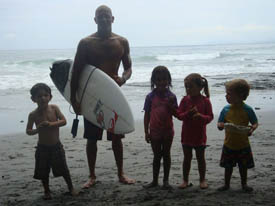
Ahora bien, la mezcla de yoga y surf es un fenómeno en eclosión. Los surfistas muestran interés por el primero; mientras que los yogis buscan una nueva de aprovechar las olas. Y es que, de cualquier modo, ambas disciplinas son complementarias, cual pastel con helados. De hecho, la campeona mundial de surf en 9 ocasiones, Kelly Slater, es una fiel defensora de esta combinación. El entrenamiento físico con yoga para un surfista profesional es un activo insuperable. Las posturas, el estiramiento y la meditación reorientan a los deportistas acuáticos; ya que fortalecen los músculos que permiten el despegue y las maniobras en el mar. El enfoque mental, más allá de los beneficios corporales por sí solos, son el secreto de figuras de renombre internacional como la propia Slater.

Para quienes hemos hecho  del yoga una forma de vida, el surf les permite ejercitarse con más diversión. Incluso, si se mira con detalle, ambas disciplinas comparten principios filosóficos. Aspectos como la unidad y la armonía con el ambiente natural que los rodea, la sensibilización con la práctica y el mejoramiento personal dan cuenta de ello.
 También puede destacarse que montar sobre las olas no tiene límites en cuanto a edad, sexo, raza o cualquier otro calificativo que se le pueda ocurrir. Un detalle muy particular es que, aún en caso de los más expertos, siempre queda una conexión emocional con el mar y un respeto por su poder, lo que estimula la humildad en quienes lo practican.


Después de leer hasta aquí, usted se preguntará: «¿Dónde podré encontrar el pastel con helados del que tanto me han estado hablando?». Pues le revelaré la incógnita: véngase para el hotel Villas Pranamar. Es la elección idónea que mezcla belleza tropical, clases de yoga de calidad mundial, surf y muchas atracciones más por vivir.

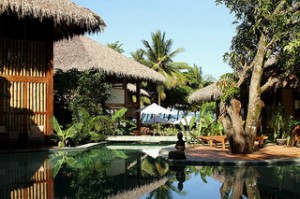
Le ofrecemos  una variedad de habitaciones que se adecua a sus deseos. Nuestras lujosas villas de dos plantas fueron construidas alrededor de la piscina de agua salada con estilo libre. Todas tienen sala de estar, jardines tropicales y una vista espectacular. Son la convergencia perfecta entre la simpleza tropical, la brisa del mar y los acabados espaciosos.

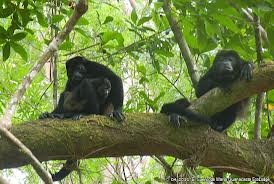
Anímese a conocer Santa Teresa, en el extremo sur de la península de Nicoya (Costa Rica). Este es un pueblo costero tranquilo, donde encontrará tanto costarricenses como extranjeros. Hay oficinas de banco y correos a la vuelta de la esquina. Asimismo, el Parque Nacional Cabo Blanco está al lado, repleto de monos aulladores, iguanas, aves exóticas y enredaderas Tarzán.

Póngase en contacto con Nosotros y encarguenos  un paquete personalizado para sus próximas vacaciones. Despierte la mente, rejuvenezca el espíritu y nútrase en esta experiencia. Descubra en primera persona por qué el lema «pura vida» caracteriza a esta pequeña nación centroamericana.


jueves, 10 de enero de 2013

Is Eco-friendly Hospitality Really Green?

Do you like to work out in your hotel’s gym when you’re away? If you happen to be staying in Denmark’s Crowne Plaza Copenhagen Towers, keeping fit while traveling will help generate the hotel’s electricity and earn you meal vouchers in their restaurant. The flagship eco-hotel is the first hotel in Denmark to generate all of its power from renewable sources – solar panels, geothermal heating and cooling pumps, and stationary bicycles connected to generators which provide the hotel’s electricity. Guests can pedal for only 15 minutes or so and “earn” enough electricity wattage to score a free meal voucher, plus personally contribute to the planet.
Costa Rica's Pranamar Villas is a top planet-friendly hotel This novel idea is the latest twist in the eco-friendly hospitality movement that not only benefits the hotel, but gets guests involved in a real-time personal way.
Eco-consciousness as a buzzword has turned into a billion-dollar business ranging from everything from the hospitality and tourism industries to clothing, cosmetics, cars, cleaning products, and corporate philosophies.In technology, you’ve got solar-powered laptops, bamboo iPhone cases, and now a new eco-friendly light bulb called LIFX LED that you can manipulate its color and brightness from your smartphone via WIFi. You can even match the light’s settings to the songs on your playlist. How geeky is that?
Earth-conscientious travelers are more frequently seeking out eco-friendly lodging. Boutique hotels are at the forefront of this trend. The most common environmental practices include: Guest towel & linen re-use LED and compact fluorescent lighting to save energy Water-efficient toilets and showerheads Reduce waste output Reduce energy & water use Reduce carbon footprint Eliminate pollution No pesticides in the gardens Window films (like Huper Optik films) that reduce energy usage and protect furniture, carpets, paint, etc. against fading Costa Rica is a hot ecotourism destinationIn ecotourism hotspot Costa Rica, Pranamar Villas is a leading boutique hotel for planet-conscious places to stay.

The oceanfront holistic yoga-surf hotel on the Nicoya Peninsula's top-rated Santa Teresa Beach isn’t just “greenwashed” (eco-friendly in advertising only). Owners and staff are committed to following a long list of environmental practices every day. Costa Rica's Pranamar Villas is a top planet-friendly hotel Pranamar’s lush tropical gardens are completely organic; they use no herbicides or pesticides on the property. Much of the vegetation is “edible” – fruits, vegetables and Pranamar's organic restaurant uses fruits, vegetables and herbs grown at the hotelherbs that supply the open-air restaurant with fresh, healthy cuisine. They grow mango, papaya, banana, starfruit, guanabana, passion fruit and Suriname cherries. During the dry season, melons and squashes underneath ornamental and fruit trees provide ground cover to help hold moisture.

The herb and vegetable garden flourishes with mint, basil, oregano, rosemary, thyme, tarragon, turmeric, arugula, mustard greens, tomatoes, chili peppers, okra, cucumber and eggplant. The hotel’s composting system completes the food cycle by turning the restaurant’s organic waste into natural fertilizer. All soaps, laundry detergent, cleaning supplies, and even guests’ amenity shampoos, conditioners and bath soaps are biodegradable. Energy-saving light bulbs and appliances reduce electricity usage. Even the free-form swimming pool is eco-conscious: it’s filled with salt-water, meanPranamar's salt water pool is chlorine freeing less chlorine and other chemicals.

miércoles, 9 de enero de 2013

If you want to live for along time, live in Nicoya Peninsula!

What is a “Blue Zone,” It is a place where people live happily and healthily for a very long time. The term was popularized by author-educator-explorer Dan Buettner in his 2008 book, “The Blue Zones: Lessons for Living Longer from People Who’ve Lived the Longest.” Published by the National Geographic Society, Buettner identified places in the world there is a high concentration of persons over age 100, and there is a substantial disability-free and disease-free life expectancy.

Why are they called “Blue Zones”? The name comes from a 2004 demographic study called “Identification of a Geographic Area Characterized by Extreme Longevity in the Sardinia Island: the AKEA study” (Experimental Gerontology by Gianni Pes and Michel Poulain, among other authors). The study identified Sardinia’s Barbagia region as an area with a very high concentration of men over age 100. As the authors discovered more clusters of long longevity in the world, they began drawing blue circles around them on maps, referring to the areas as “Blue Zones.” To my delight, Costa Rica has its own Blue Zone – the Nicoya Peninsula! According to Buettner’s studies, the Nicoya Peninsula has the world’s lowest rates of middle-age mortality and the second highest convergence of male centenarians. Costa Rica indeed does celebrate its elderly citizens; every person who has a 100th birthday is featured on the national news. As of June 2012, our tiny country reported 417 citizens over the age of 100; the country’s official population is more or less 4.5 million. Costa Rican Photographer Mónica Quesada is creating a book and video documenting Ticos who have lived a century. More information at www.indiegogo.com/CRCentenarians. Buettner’s research with National Geographic also turned up longevity hotspots in Okinawa, Japan; the Aegean island of Ikaria, Greece; a Seventh Day Adventist community in Loma Linda, California; and we already know about the mountainous Barbagia region of inner Sardinia, off the western coast of Italy. So what’s the secret? Buettner’s team of researchers and specialists found interesting similarities among the Nicoyan centenarians that are common characteristics in all of the other Blue Zones:

  • Have a “plan de vida,” or reason to live; it also can be called “why I get up in the morning”. Centenarians say they feel needed, with a sense of purpose that often centers on their family.
  •  Focus on your family and friends. Having a good relationship with their family and maintaining a strong social network contributes greatly to centenarians’ sense of purpose and well-being. People of all ages are socially active and integrated into their communities.
  • Have Faith. The Nicoyans’ strong belief in God and their “faith routines” help relieve stress and anxiety. Almost all of the centenarians interviewed around the world for Buettner’s book belonged to a faith-based community of some form.
  • Work hard. Nicoyan centenarians maintain a strong work ethic, which keeps them active and healthy while contributing to their sense of purpose. Moderate physical activity is a normal part of daily life – walking, bicycling, gardening, cooking, keeping up the house, taking care of animals, etc.
  • Drink hard water. High amounts of calcium and magnesium, essential for bone and muscle strength, abound in Nicoya’s water. By drinking and cooking with this water, people here get their daily intake of calcium throughout their entire lives.
  • Healthy diet. Most of the various Blue Zone residents in the world eat a primarily plant-based diet, especially legumes (all kinds of beans, peas and lentils). They also eat rich, colorful fruits – in Nicoya, they eat marañon, the red-orange cashew tree fruit that has more vitamin C than oranges, and noni, a pear-like fruit rich in antioxidants. Nicoyans eat their biggest meal during the day and their smallest meal at night. Japanese centenarians have a rule to eat only until their stomachs are 80% full to avoid being “overstuffed.”
  • Get some sun. Nicoyans enjoy healthy doses of daily sun, enriching their bodies with Vitamin D. Getting at least 15 minutes every day can decrease the risk for osteoporosis and heart disease, experts say.
  • Get Sleep. Nicoyans sleep an average of 8 hours per day. They more or less go to sleep soon after nightfall and wake with the sun.
  • No smoking. Smoking is not common in Blue Zone communities.